


Employee Company Store Setup Guide for 100 to 5,000 Employees
Social Imprints builds and runs employee company stores for mid-size companies, handling storefront design, inventory, warehousing, and worldwide shipping. Stores can use employee credits or open purchasing, and typically offer two to three tiers of branded apparel, drinkware, and accessories sourced from premium retail brands.

For Over 18 Years, We’ve Worked With Silicon Valley’s Biggest Names
What a Well-Run Employee Store Looks Like
A company store for 100 to 5,000 employees should feel like a curated retail experience, not a spreadsheet of logo items. Employees browse a branded storefront, select from a tight catalog of quality products, and receive items at home or the office without filing a ticket with ops. The best stores launch with 15 to 30 SKUs, refresh seasonally, and track redemption rates so the people team can report participation back to leadership.
Every order funds a second chance
Social Imprints is a certified Gold-Level Fair Chance Employer. Over 70% of our team comes from groups that face barriers to work: people who are justice-impacted, in addiction recovery, military veterans, under-represented minorities, without a degree, or were long-term unemployed. We hire for skills over stigma, and many front-line hires have become managers.
Your merchandise spend supports those careers, and you can cite it in DEI, ESG and supplier-impact reporting alongside our EcoVadis rating and SOC 2 Type I and II.
Budgets and Credits
Most mid-size companies fund their store through one of three models:
- Annual credit per employee. Each person receives a set dollar amount (commonly tied to tenure or role) to spend at any time. Unused credits expire or roll over based on policy.
- Event-triggered credits. Credits are issued for milestones such as work anniversaries, new-hire onboarding, or quarterly recognition. This keeps spend predictable and ties the store to a people program.
- Open purchasing with subsidy. The company covers a percentage of each order or offers free shipping, and employees pay the remainder. This works well when the catalog includes premium retail brands that carry higher price points.
Social Imprints manages credit allocation, balance tracking, and redemption reporting inside the company store platform, so your HRIS or people team does not need to reconcile spreadsheets.
Internal vs. Public Stores
An internal company store is gated behind a login or unique URL and serves employees only. A public-facing store can extend to clients, event attendees, or brand ambassadors. Many companies start internal and later open a second storefront for client gifting or conference swag. The platform supports both from the same warehouse, so inventory and fulfillment stay unified.
One platform behind every kind of store
Internal company stores, public retail stores and gifting portals all run on the same platform, built and maintained by our in-house development team, with our own San Francisco warehouse packing and shipping every order worldwide.
- eWallet credit and one-click redemption pages
- SSO, HR, CRM and marketing-automation integrations
- Role-based access and budget approvals in the portal
- SOC 2 Type I and Type II
Recommended Tiers
For a company of this size, a two- or three-tier catalog keeps choice manageable while covering different credit levels.
Tier 1: Everyday Essentials
- Branded tee or hoodie on a premium retail blank (for example, Bella+Canvas or Champion)
- Insulated tumbler or water bottle (Yeti, Hydro Flask, or similar)
- Tote or drawstring bag
Tier 2: Elevated Picks
- Quarter-zip or crewneck sweatshirt (Patagonia, The North Face, or Nike)
- Double-wall drinkware with custom engraving
- Laptop sleeve or structured backpack (Herschel, Fjallraven)
Tier 3: Premium or Recognition Gifts
- Full-zip jacket or vest from a performance brand
- Curated gift set with custom packaging
- Tech accessory such as a wireless charger or Bluetooth speaker
All items are sourced through authorized channels. Availability is confirmed per order because premium retail brands set their own co-branding rules and minimums.
Decoration and Packaging
Screen printing works best for high-volume tees and totes. Embroidery elevates polos, hats, and outerwear. Heat press handles full-color or detailed artwork on smaller runs. Laser engraving suits metal and wood drinkware. Social Imprints handles all of these in-house, and the design team prepares production-ready proofs before anything goes to print.
For gifting moments, consider branded tissue paper, custom mailer boxes, or a handwritten-style note card. These details matter when the store doubles as a recognition tool.
Planning Timeline
| Phase | Timeframe | Key Actions |
|---|---|---|
| Discovery and catalog selection | 8 to 10 weeks before launch | Define budget model, choose tiers, confirm brand availability |
| Design and proofs | 6 to 8 weeks before launch | Submit artwork, review decoration proofs, approve packaging |
| Production and warehousing | 4 to 6 weeks before launch | Products decorated, received into warehouse, SKU setup in store |
| Store build and testing | 3 to 4 weeks before launch | Storefront configured, credit rules set, test orders placed |
| Soft launch and communication | 1 to 2 weeks before launch | Announce to employees, monitor first orders, adjust sizing mix |
If you want live on-site printing at a launch event or all-hands, West Coast events require confirmation two weeks in advance and Midwest or East Coast events three weeks in advance.
Logistics
- Address collection. The store platform captures shipping addresses at checkout. For new-hire kits, integrate with your HRIS or upload a CSV.
- Home vs. office shipping. Offer both. Remote-first teams default to home delivery; office-based teams may prefer bulk delivery to a floor or mailroom.
- International shipping. Social Imprints provides global fulfillment with duties and customs handled per destination.
- Sizes. Include a size guide on each product page. Offer extended sizes on apparel. Track size distribution after the first month and rebalance inventory.
- Reorders. Set reorder points in the platform. Popular SKUs typically need replenishment every 6 to 10 weeks depending on redemption velocity.
How Your Purchase Supports Inclusion
Social Imprints is a Gold-Level Fair Chance Employer. Over 70 percent of the workforce comes from barrier groups including justice-impacted individuals, veterans, and people in recovery. Your store spend supports stable, professional careers and can be cited in DEI, ESG, or supplier-impact reporting. The company also holds an EcoVadis sustainability rating and SOC 2 certification, and has planted 40,000 mangrove trees through its regeneration program.
Common Mistakes
- Launching with too many SKUs, which dilutes credits and complicates inventory.
- Skipping a soft launch, so sizing or shipping issues surface during a company-wide announcement.
- Choosing decoration methods that do not match the fabric or material, leading to poor print quality.
- Forgetting to communicate the store exists. Pair launch with a Slack or email campaign.
- Not planning for reorders, which causes stockouts on the most popular items within weeks.
Explore our Winter Lookbook and find the perfect holiday gifts
Our Most Popular Products

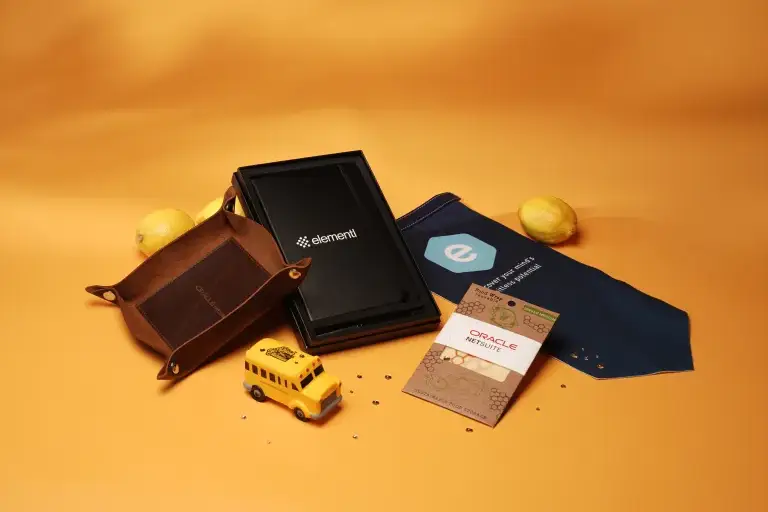

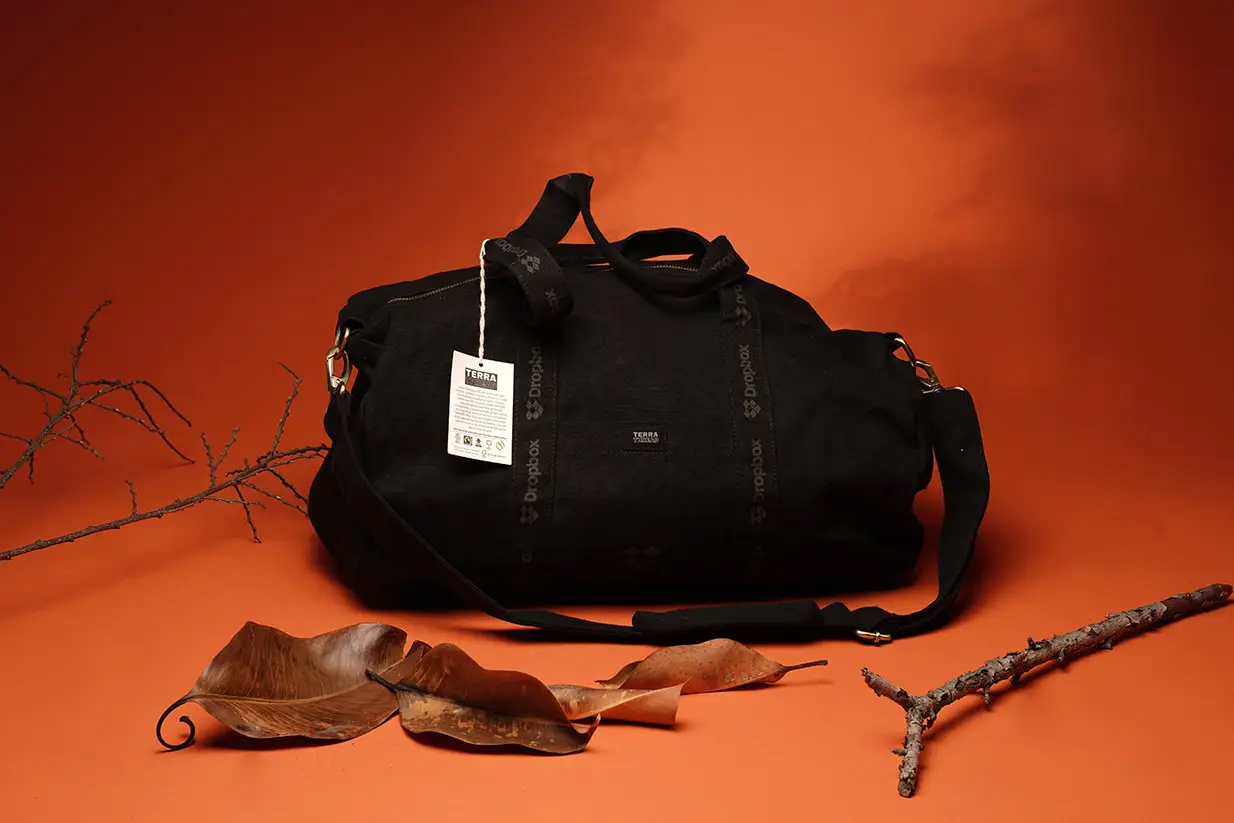
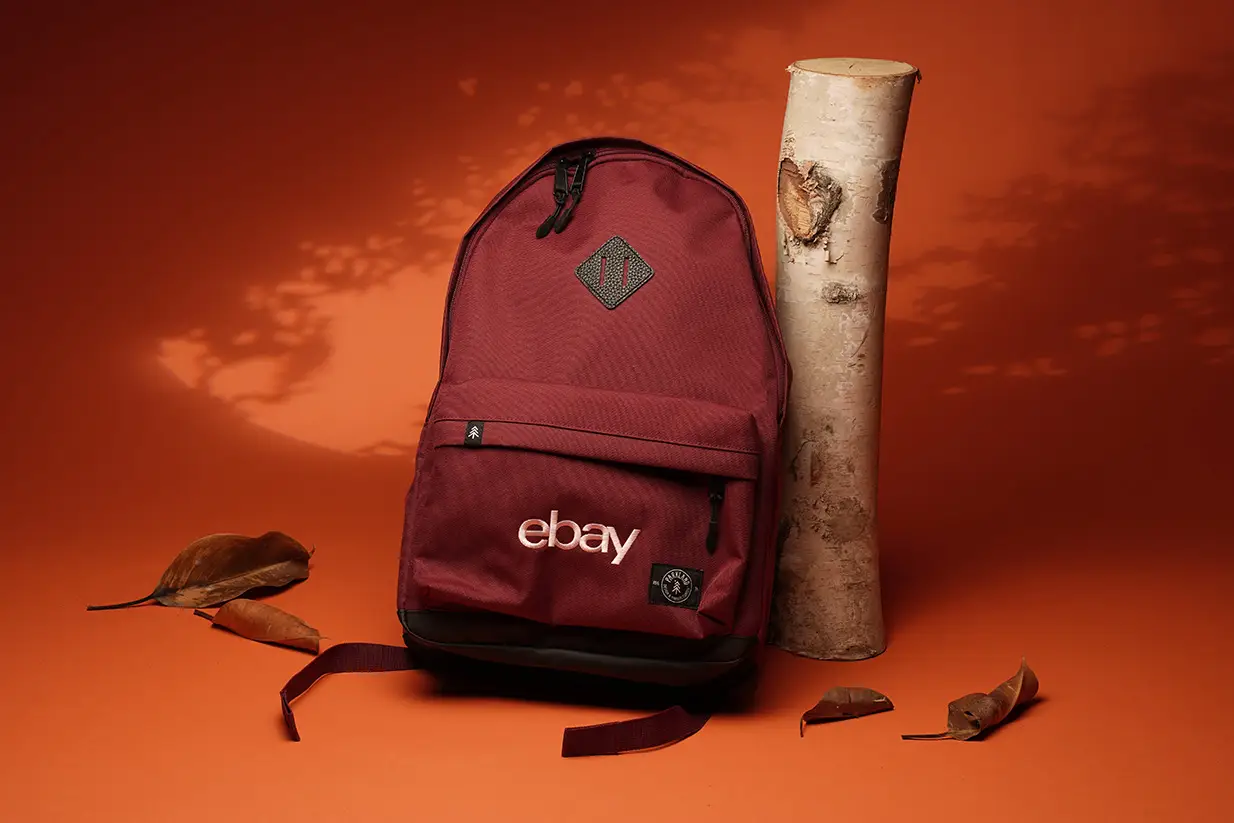

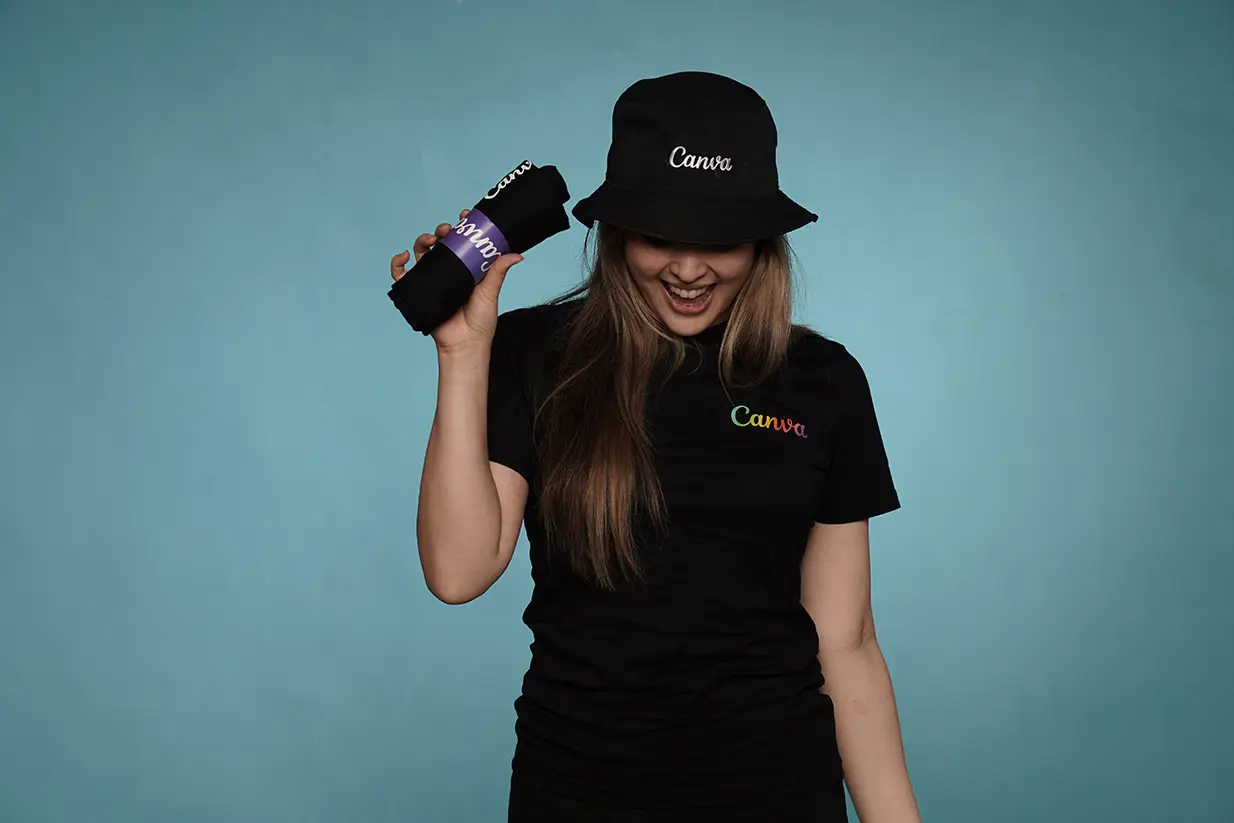
Featured Retail Brands
We source from top retail brands and socially responsible swag vendors to ensure every product reflects your values and quality expectations.






Frequently asked questions
How much does it cost to set up an employee company store?
Store setup, hosting, and fulfillment fees are quoted per project based on catalog size, credit model, and shipping volume. There is no published flat rate because every program differs. Request a quote and an account manager will provide a detailed proposal within a few business days.
Can employees use credits and also pay out of pocket?
Yes. The platform supports hybrid models where a company-issued credit covers part of an order and the employee pays the balance. This works well when the catalog includes premium retail brands at higher price points that exceed a standard credit amount.
How do we handle sizing and exchanges?
Each product page includes a size guide. After launch, Social Imprints tracks size distribution and can adjust inventory mix. Exchange and replacement policies are set during store configuration and communicated to employees through the storefront.
Does buying from Social Imprints count toward our DEI or ESG goals?
Yes. Social Imprints is a certified Gold-Level Fair Chance Employer with over 70 percent of its workforce from barrier groups. The company also holds an EcoVadis sustainability rating and SOC 2 certification. You can cite these credentials in supplier-impact, DEI, or ESG reporting as evidence of responsible sourcing.
How long does it take to launch a company store?
Most stores launch within 8 to 12 weeks from initial scoping, depending on catalog complexity and decoration methods. The timeline includes product selection, design proofs, production, warehouse intake, storefront configuration, and a soft-launch testing phase.
Can the store ship internationally to remote employees?
Yes. Social Imprints provides global fulfillment with international shipping, handling customs and duties per destination. This is especially useful for distributed teams with employees outside the United States.
What happens when a popular item sells out?
The platform supports reorder points so inventory is replenished before stockouts occur. Your account manager monitors redemption velocity and recommends reorder timing. For fast-moving SKUs, safety stock levels are set during the initial planning phase.
Related guides
- Work Anniversary and Years-of-Service Gifts for Companies with 200+ Employees
- Pride Month Swag for Companies with ERGs
- Employee Resource Group and Heritage Month Swag Guide
- Rebrand Launch Kits for Companies Going Through a Rebrand
- Buying from a Second-Chance Employer: A Guide for DEI-Committed Teams
- All guides
Last reviewed 2026-11-11.
Plan it with us
Tell us the headcount, the date and the budget. An account manager will come back with products, decoration options and a timeline.