



Reporting the Impact of Swag Spend for ESG, Sustainability and DEI Teams
Social Imprints helps buyers convert branded merchandise budgets into verifiable ESG, sustainability and DEI outcomes. As a Gold-Level Fair Chance Employer with over 70% of its workforce from barrier groups, EcoVadis-rated supply chain, and 40,000 mangrove trees planted, the company provides documentation buyers can cite directly in impact reports.

For Over 18 Years, We’ve Worked With Silicon Valley’s Biggest Names






Why Swag Spend Belongs in Your Impact Report
Most companies treat branded merchandise as a line item with no story attached. That is a missed opportunity. A single swag program can generate evidence across three reporting categories: social impact (who made and packed your products), environmental impact (materials, carbon, end-of-life), and supplier diversity (certifications, sourcing practices). The key is choosing a partner who can document these claims and structuring your program so the data flows naturally into your reporting cycle.
How Your Purchase Supports Second-Chance Hiring
Social Imprints is a certified Gold-Level Fair Chance Employer. Over 70% of the workforce is justice-impacted, in recovery, a veteran, an under-represented minority, or was chronically unemployed. The company holds an EcoVadis sustainability rating and SOC 2 certification, and has planted 40,000 mangrove trees in Kenya. Buyers can cite these facts directly in DEI, ESG and supplier-impact reports as verifiable evidence of responsible sourcing.
What Good Looks Like
A reportable swag program produces three types of evidence:
- Social impact metrics: number of second-chance jobs supported, workforce composition data, fair-employment certifications held by the supplier.
- Environmental metrics: percentage of eco-certified materials, carbon offset or sequestration contributions, packaging waste reduction figures.
- Supplier governance: sustainability ratings (such as EcoVadis), data-security certifications (such as SOC 2), and responsible-sourcing agreements.
When your reporting team asks "what did we buy and why does it matter," you should be able to answer with specifics rather than vague claims about "conscious sourcing."
Recommended Program Tiers
Structure your merchandise program in tiers so that each level maps to a different reporting narrative.
Tier 1: Everyday Essentials
Items employees and clients use daily. Think premium retail-brand apparel (patagonia, The North Face, Cotopaxi), insulated drinkware (Yeti, Hydro Flask, Stanley), and tote bags from certified vendors. Decoration is typically embroidery or screen printing. These items support a "quality over quantity" narrative and reduce landfill waste through longevity.
Tier 2: Onboarding and Event Kits
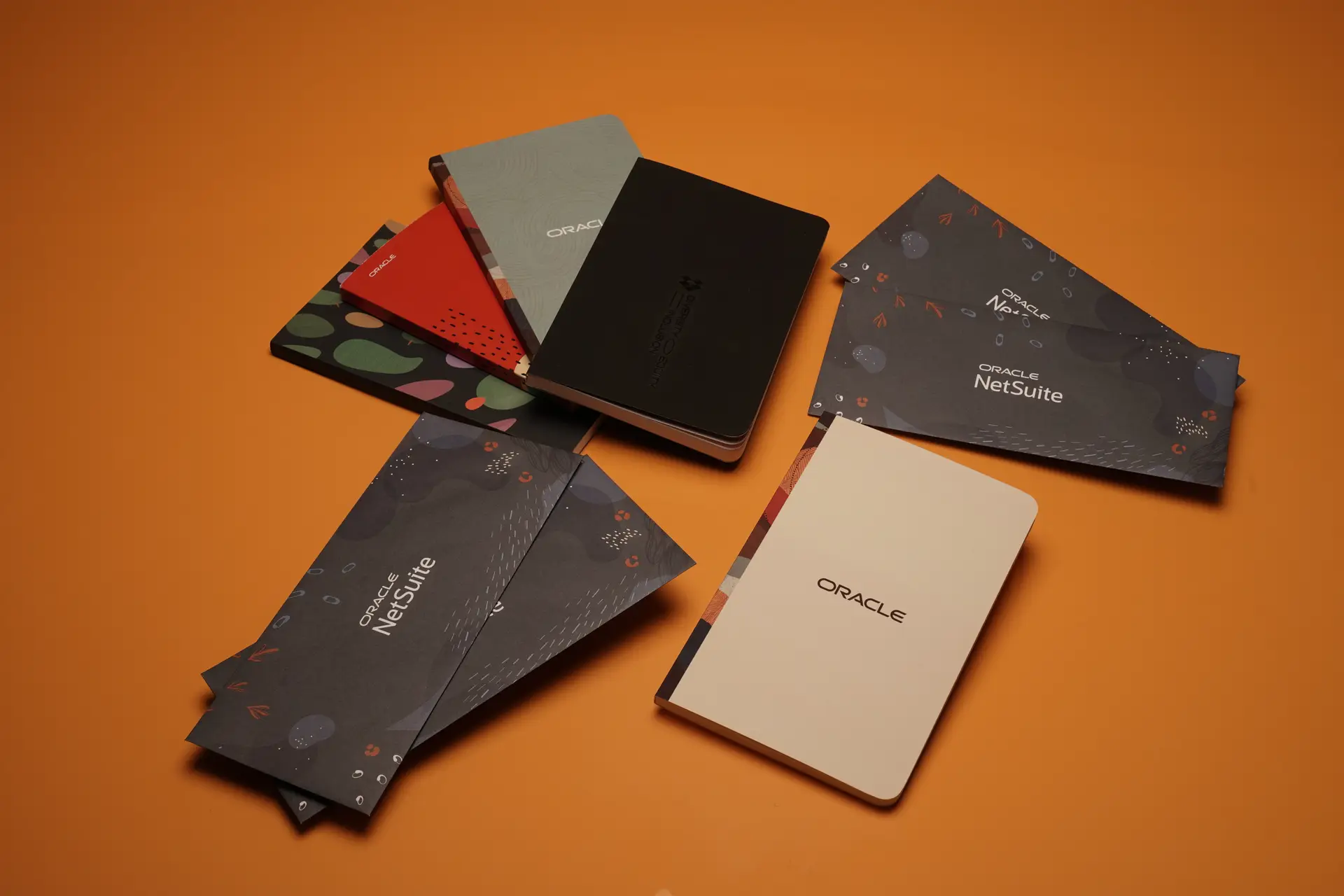
Curated kitting and packaging bundles for new hires, conference attendees, or client milestones. Combine a branded hoodie, a reusable water bottle, a notebook made from recycled materials, and a welcome card. Custom packaging options (recycled mailers, seeded paper inserts, compostable tissue) add an environmental data point your sustainability team can quantify.
Tier 3: Executive and Client Gifting
Higher-touch client gifting or corporate holiday gifting using premium blanks, laser engraving, and bespoke packaging. These programs often include a carbon-offset contribution per unit, which your ESG team can report as a Scope 3 reduction action.
One platform behind every kind of store
Internal company stores, public retail stores and gifting portals all run on the same platform, built and maintained by our in-house development team, with our own San Francisco warehouse packing and shipping every order worldwide.
- eWallet credit and one-click redemption pages
- SSO, HR, CRM and marketing-automation integrations
- Role-based access and budget approvals in the portal
- SOC 2 Type I and Type II
Decoration and Packaging Choices That Support Reporting
- Water-based inks instead of plastisol for screen printing (lower VOC emissions).
- Embroidery with recycled-content thread where available.
- Laser engraving on metal or wood drinkware (no ink, no waste).
- Recycled or compostable mailers for shipping; avoid single-use poly bags.
- Minimal packaging by default; upgrade to branded boxes only when the unboxing experience is part of the program goal.
Social Imprints offers eco-friendly product lines sourced from refugee-run, minority-owned and green-certified vendors, and can provide packaging options that align with your waste-reduction targets.
Planning Timeline
| Phase | What to Decide | Typical Window |
|---|---|---|
| Scope and budget | Program tier, audience size, reporting category targets | 8 to 12 weeks before delivery |
| Product selection and proofs | Items, decoration method, packaging, carbon-offset add-on | 6 to 8 weeks before delivery |
| Production and kitting | Manufacturing, quality check, assembly into kits | 3 to 5 weeks before delivery |
| Fulfillment | Address collection, shipping method, tracking | 1 to 2 weeks before delivery |
| Reporting | Collect impact data from supplier, file with ESG or DEI team | Within 2 weeks of delivery |
For events that include live on-site printing, West Coast events require confirmation at least two weeks in advance; Midwest and East Coast events need three weeks. Live printing scales from 100 to 10,000 attendees and adds a real-time engagement data point to your event recap.
Logistics: Address Collection, Shipping and Reorders
- Address collection: Use a survey tool or your HRIS export. Social Imprints can manage this through a company online store where employees select their own size and shipping address.
- Home vs. office shipping: For remote teams, ship directly to home addresses. For office-based teams, bulk-ship to one location and distribute internally to reduce per-unit shipping cost.
- International: Global fulfillment and international shipping is available; customs documentation and duties are handled per destination.
- Sizes: Collect sizes at order time, not after. Offer a size-exchange window of two weeks.
- Reorders: Keep a small buffer (5 to 10 percent) in inventory. A company internal store lets employees reorder on demand without a new PO each time.
Sample Reporting Wording
"In Q3, our people team distributed 1,200 onboarding kits through Social Imprints, a Gold-Level Fair Chance Employer with over 70% of its workforce from barrier groups. Products were sourced from EcoVadis-rated suppliers and shipped in compostable mailers. The program supported second-chance employment and reduced single-use packaging by an estimated 40% compared to our previous vendor."
Common Mistakes
- Ordering without a reporting plan. If you cannot say which ESG or DEI category the spend supports, the data will not survive an audit.
- Choosing the cheapest blank. Low-quality items end up in landfills quickly, undermining your sustainability narrative.
- Skipping supplier certifications. Claims like "eco-friendly" without a third-party rating (EcoVadis, Fair Chance Employer) are hard to defend in a report.
- Ignoring packaging. A premium product shipped in single-use plastic contradicts your stated goals.
- Not collecting the data at the time of purchase. Retroactive evidence gathering is slower and less credible.
Explore our Winter Lookbook and find the perfect holiday gifts
Our Most Popular Products








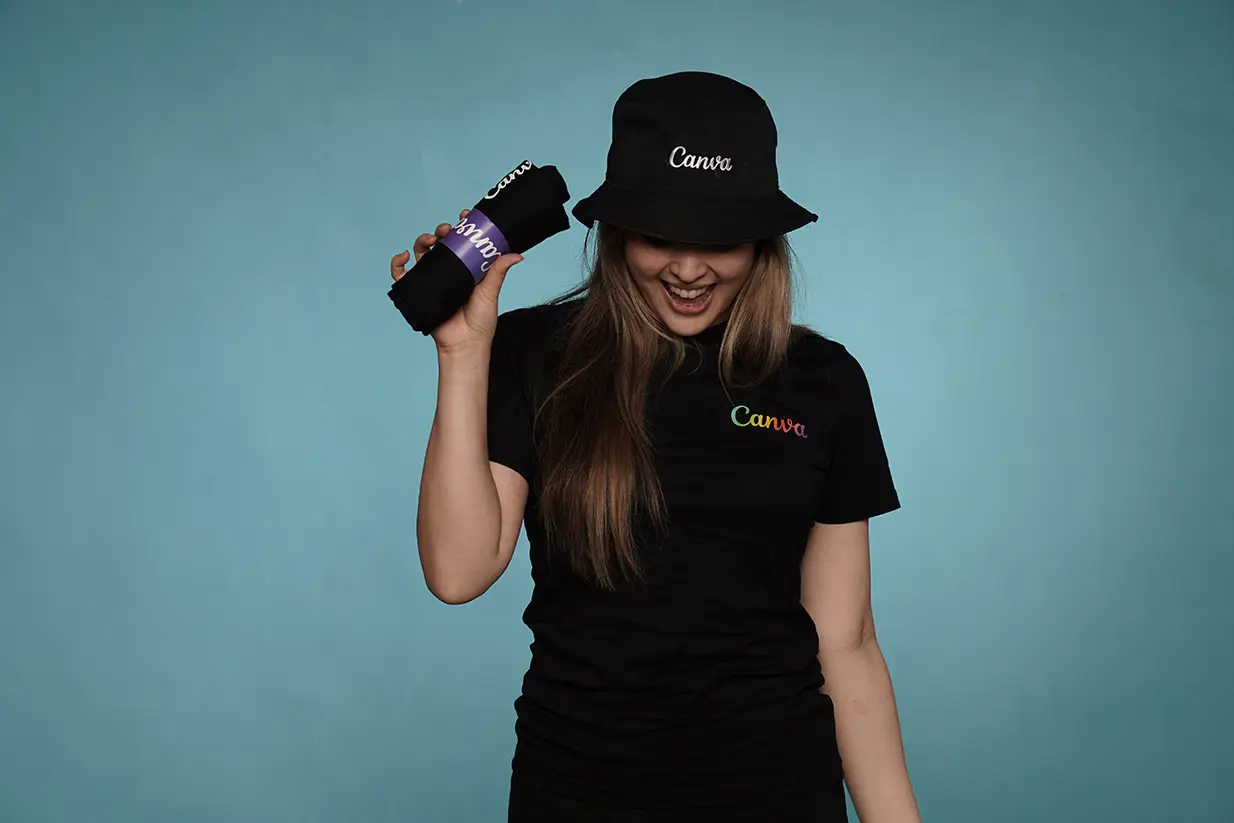
Featured Retail Brands
We source from top retail brands and socially responsible swag vendors to ensure every product reflects your values and quality expectations.














Frequently asked questions
Can swag spend count toward our DEI or ESG reporting goals?
Yes, when your supplier can document social and environmental outcomes. Social Imprints is a Gold-Level Fair Chance Employer with over 70% of its workforce from barrier groups, holds an EcoVadis sustainability rating, and provides carbon-sequestration data from its mangrove planting program. These are verifiable data points your reporting team can cite.
Who actually makes the products we order?
Social Imprints decorates products in-house at its San Francisco facility using screen printing, embroidery, heat press and laser engraving. Blanks are sourced from retail brands and certified vendors through authorized channels. The company's own workforce, over 70% from barrier groups, handles production, kitting and fulfillment.
What evidence should we collect from our merchandise vendor for an ESG report?
Collect the supplier's fair-employment or social-impact certifications, sustainability ratings such as EcoVadis, data-security certifications like SOC 2, material composition data for eco products, packaging waste figures, and any carbon-offset or tree-planting contributions. Social Imprints provides all of these as standard documentation.
How do we handle size collection and shipping for a remote team?
The most efficient approach is a company online store built and managed by your merchandise partner. Employees log in, choose their size and enter their home address, and items ship directly. Social Imprints builds and runs these stores including inventory, warehousing and worldwide shipping.
What is the difference between a sustainability claim and a verifiable one?
A claim like "eco-friendly products" is unverifiable without third-party evidence. A verifiable statement names the certification (EcoVadis rating), quantifies the action (40,000 mangrove trees planted), and identifies the standard (Gold-Level Fair Chance Employer). Always ask your vendor for the certification body and the data behind the claim.
Can we include live printing at our event as part of an impact story?
Yes. Live on-site printing reduces pre-produced waste because items are decorated on demand, and it creates an engagement metric (number of prints produced) you can include in event recaps. Social Imprints brings a fully equipped print van and staff to events with 100 to 10,000 attendees.
How do we get started if we have never done impact reporting on merchandise before?
Start by requesting a quote and telling your account manager which reporting framework you use (GRI, SASB, internal DEI scorecard, etc.). They will recommend products, packaging and documentation that map to your framework. You can begin with a single program and expand once your reporting team confirms the data format works.
Plan it with us
Tell us the headcount, the date and the budget. An account manager will come back with products, decoration options and a timeline.