



Supplier Impact and Second-Chance Sourcing for Corporate Swag
Corporate swag can support supplier-impact and DEI goals when sourced from a certified Fair Chance Employer. Social Imprints, a Gold-Level Fair Chance Employer with over 70% of its workforce from barrier groups, holds EcoVadis and SOC 2 certifications that procurement teams can cite in ESG and supplier-diversity reporting.

For Over 18 Years, We’ve Worked With Silicon Valley’s Biggest Names



Why Swag Spend Belongs in Your Supplier-Impact Strategy
Most branded merchandise budgets sit outside supplier-diversity tracking. That is a missed opportunity. A typical mid-size company spends tens of thousands of dollars annually on employee kits, event giveaways, client gifts and conference apparel. When that spend goes to a vendor with verifiable social-impact credentials, it becomes a line item your procurement, DEI and ESG teams can document and report.
The challenge is separating real impact from marketing language. This guide covers what to look for, what to ask, what to document and what not to over-claim.
Every order funds a second chance
Social Imprints is a certified Gold-Level Fair Chance Employer. Over 70% of our team comes from groups that face barriers to work: people who are justice-impacted, in addiction recovery, military veterans, under-represented minorities, without a degree, or were long-term unemployed. We hire for skills over stigma, and many front-line hires have become managers.
Your merchandise spend supports those careers, and you can cite it in DEI, ESG and supplier-impact reporting alongside our EcoVadis rating and SOC 2 Type I and II.
What Good Looks Like: Certifications and Evidence
A vendor making genuine supplier-impact claims should be able to point to third-party or recognized certifications rather than self-reported narratives. Here is what matters and why:
- Gold-Level Fair Chance Employer certification. This signals a verified commitment to hiring people with criminal records, in recovery, or facing other employment barriers. It is not a diversity-spend category in the traditional sense, but it demonstrates measurable workforce inclusion that aligns with DEI and social-impact reporting frameworks.
- EcoVadis sustainability rating. A procurement-grade supplier assessment covering environment, labor and human rights, ethics and sustainable procurement. If your ESG report references supply-chain sustainability scores, an EcoVadis-rated vendor gives you a data point.
- SOC 2 certification. Relevant when the vendor runs a company store or handles employee data (names, addresses, sizes). It confirms controls around data security and availability.
Ask any vendor for certification documentation directly. If they cannot produce it, treat their impact claims with caution.
What Not to Over-Claim
Procurement teams sometimes want to categorize a vendor under a specific diversity spend bucket. Be precise:
- Do not classify a vendor as minority-owned, women-owned or veteran-owned unless they hold that specific certification from a recognized body.
- Do not claim a vendor is an "official partner" of a retail brand unless that relationship is documented. Premium brands set their own co-branding rules.
- Do not report impact metrics the vendor has not published. Ask for the numbers, then use only those.
What you can report accurately: that your swag spend supports a certified Fair Chance Employer whose workforce is over 70% from barrier groups, that the vendor holds an EcoVadis sustainability rating, and that data handling is SOC 2 certified.
One platform behind every kind of store
Internal company stores, public retail stores and gifting portals all run on the same platform, built and maintained by our in-house development team, with our own San Francisco warehouse packing and shipping every order worldwide.
- eWallet credit and one-click redemption pages
- SSO, HR, CRM and marketing-automation integrations
- Role-based access and budget approvals in the portal
- SOC 2 Type I and Type II
Recommended Program Tiers
Below is a three-tier structure that works for employee onboarding kits, event giveaways and client gifting. Items are described by category and example brand tier; specific products and pricing are quoted per project.
| Tier | Use Case | Example Items | Decoration |
|---|---|---|---|
| Essential | Large events, trade shows, broad employee gifting | Canvas tote, basic tee (Bella+Canvas or Comfort Colors), 20 oz tumbler | One-color screen print or heat press |
| Standard | New-hire kits, team offsites, client appreciation | Zip hoodie (Champion or Independent Trading Co.), insulated bottle (Yeti or Hydro Flask), notebook, sticker pack | Embroidery on apparel, laser engraving on drinkware |
| Premium | Executive gifting, milestone celebrations, VIP clients | Patagonia or The North Face jacket, premium bag (Herschel or Fjällräven), engraved metal pen, curated snack box | Embroidery, debossing, custom packaging with tissue and branded card |
For corporate swag and custom promotional products, an account manager scopes the right mix based on audience, budget and reporting goals.
Decoration and Packaging Choices
Decoration method affects both the look and the sustainability story. Screen printing uses water-based inks when requested. Embroidery produces no chemical waste and lasts longer. Laser engraving is permanent and works well on metal drinkware.
For packaging, consider packaging options that reduce waste: recycled mailers, minimal tissue, seeded paper cards. If you are building kits, kitting and packaging solutions handle assembly, quality checks and labeling from a single warehouse.
Planning Timeline
Work backward from your event or distribution date. General guidance:
- 8 to 12 weeks out: Finalize product selection, decoration method and quantities. Request a quote and confirm brand availability.
- 6 to 8 weeks out: Approve design proofs. Confirm shipping addresses or set up a company store for self-service ordering.
- 4 to 6 weeks out: Production runs. Kitting and packaging if applicable.
- 2 to 3 weeks out: Ship to office, warehouse for pick-and-pack, or direct to recipients.
If you want live on-site printing at an event, West Coast events require confirmation at least 2 weeks before the event; Midwest and East Coast events need 3 weeks. Live printing scales from 100 to 10,000 attendees and adds a memorable experience layer to your program.
Logistics: Address Collection, Shipping and Reorders
For distributed teams, the most common question is how to collect addresses and ship without burdening HR. Options include:
- Company online store: Employees log in, choose their size and enter their own address. Social Imprints builds, hosts and fulfills from the store. See ecommerce web stores for details.
- Office bulk delivery: Ship one pallet to a central office for local distribution.
- International shipping: Available through global fulfillment for distributed teams outside the US.
For reorders, a company store keeps the program live so new hires or event attendees can order on demand without a new purchase order each time.
How This Supports Your DEI, ESG and Supplier-Impact Reporting
Social Imprints is a Gold-Level Fair Chance Employer. Over 70% of the workforce is justice-impacted, in addiction recovery, a military veteran, an under-represented minority, without a college degree, or was chronically unemployed. The company also holds an EcoVadis sustainability rating and SOC 2 certification, and has planted 40,000 mangrove trees through its Veritree partnership. Procurement and DEI teams can cite these facts in supplier-impact reports, ESG disclosures and internal DEI dashboards as evidence that swag spend supports workforce inclusion and environmental goals.
Common Mistakes
- Choosing products before confirming decoration compatibility (some fabrics do not embroider well; some coatings reject laser engraving).
- Assuming all "eco-friendly" claims are equal. Ask for material composition and certifications.
- Skipping address verification for remote teams, leading to returned packages.
- Ordering too late for peak season (October through December is the busiest period for corporate gifting).
- Over-claiming diversity-spend categories the vendor does not hold. Stick to what is certified.
Explore our Winter Lookbook and find the perfect holiday gifts
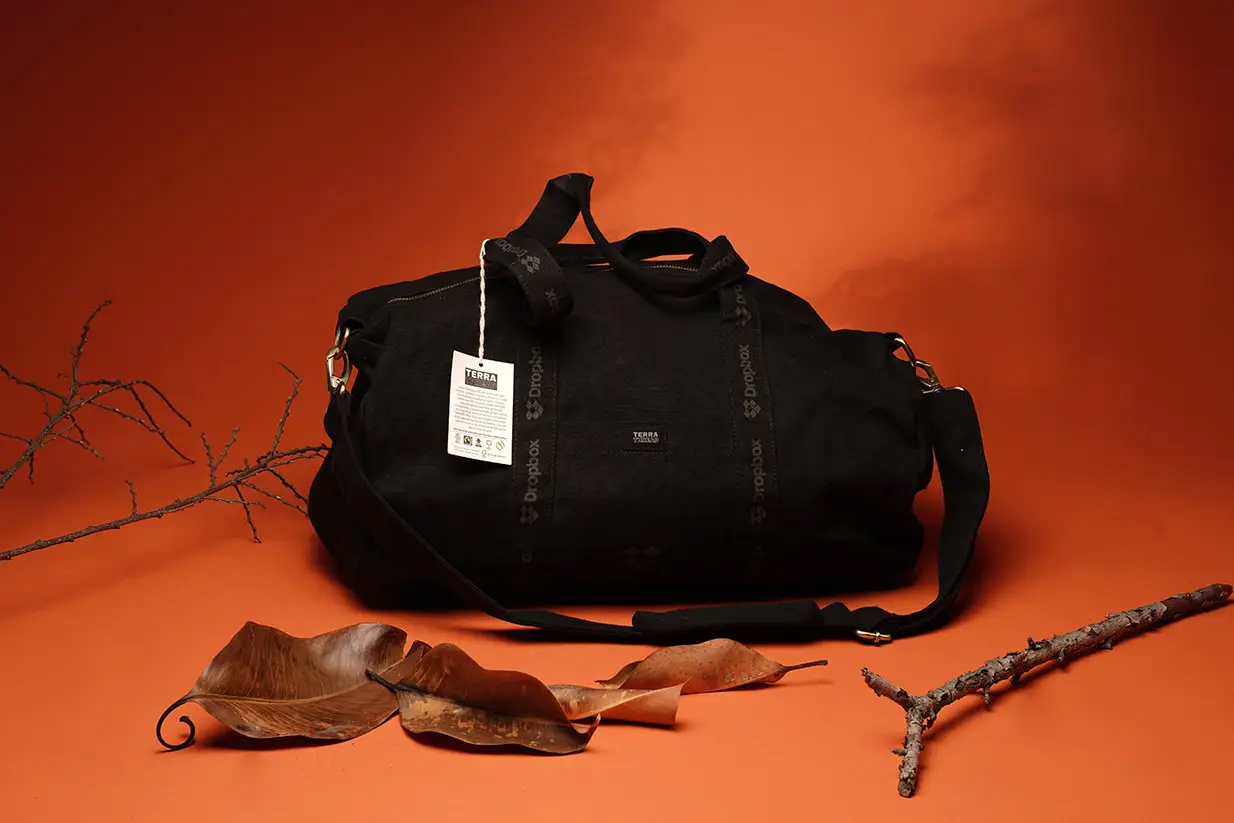
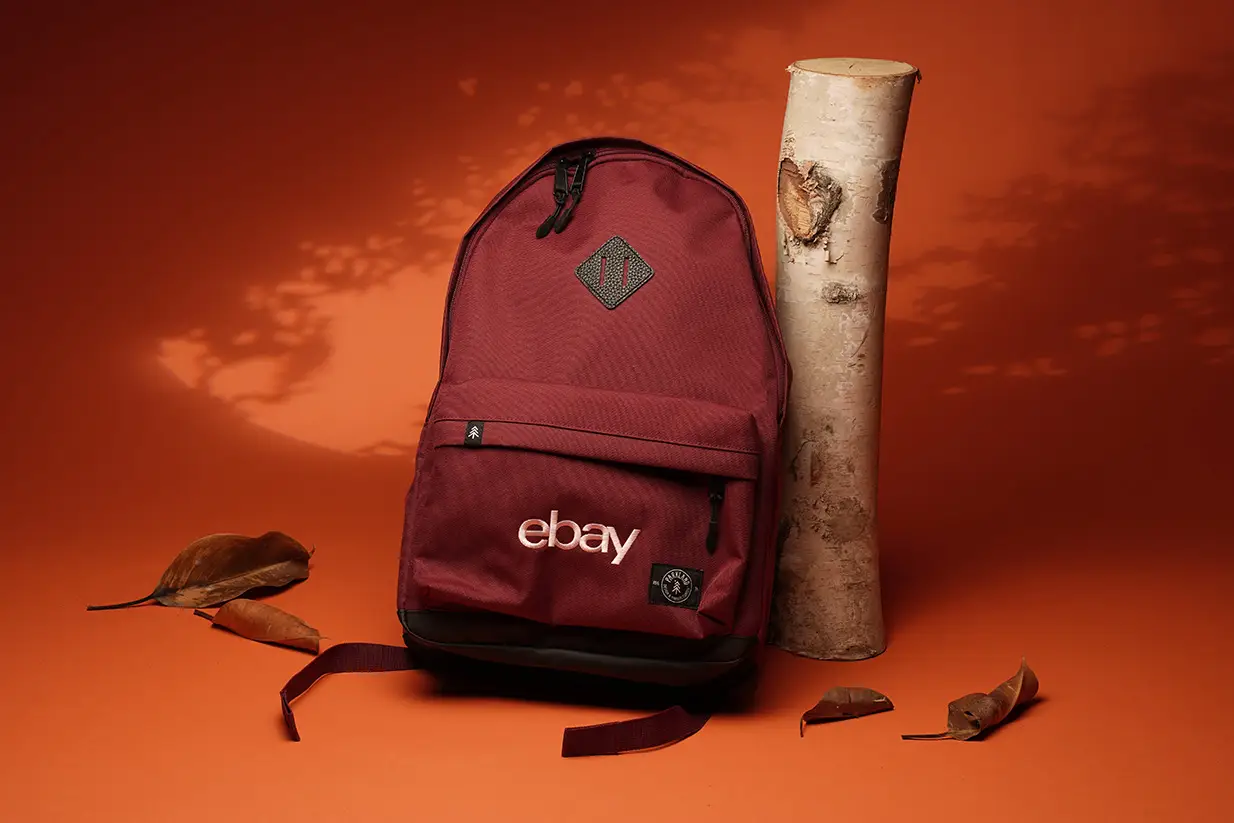
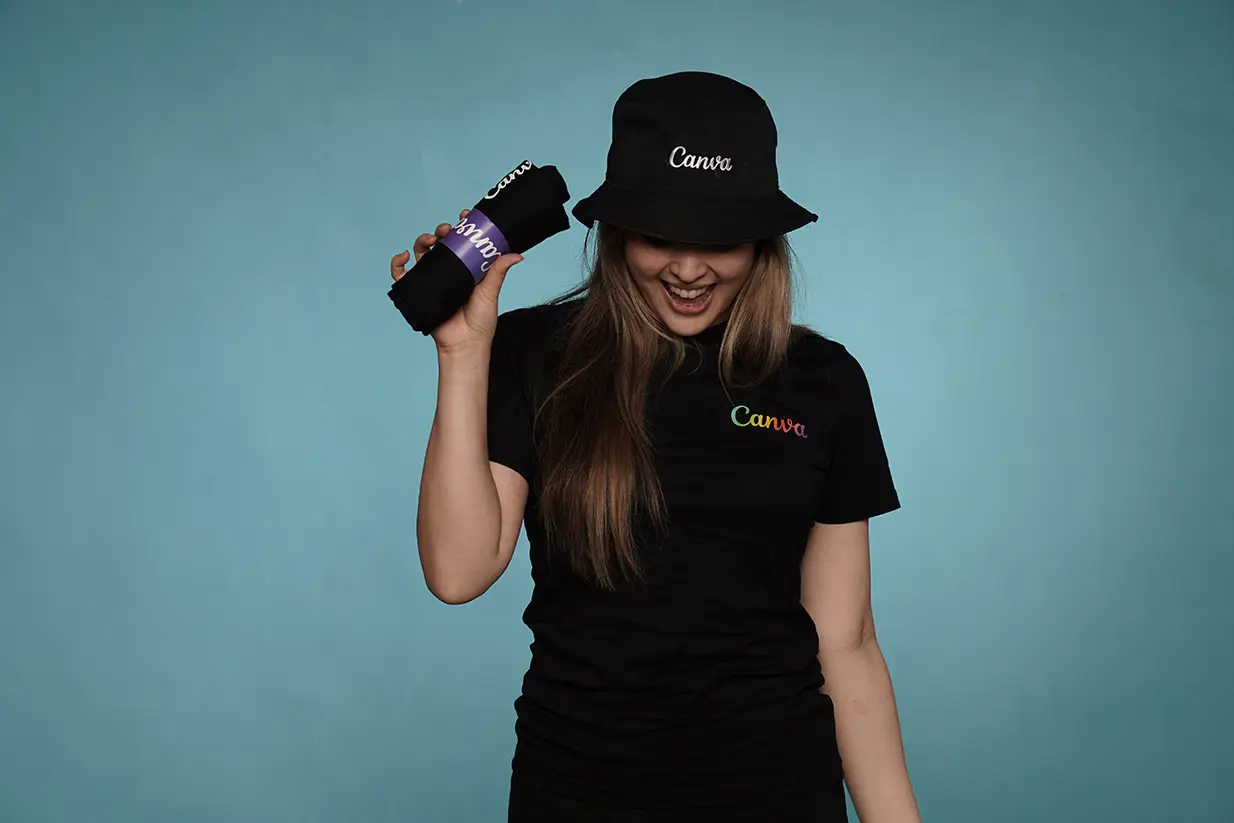
Our Most Popular Products





Featured Retail Brands
We source from top retail brands and socially responsible swag vendors to ensure every product reflects your values and quality expectations.









Frequently asked questions
Does buying corporate swag from Social Imprints count toward DEI or supplier-diversity goals?
Social Imprints is a certified Gold-Level Fair Chance Employer with over 70% of its workforce from barrier groups including justice-impacted individuals, people in recovery, veterans and under-represented minorities. While it is not classified as a minority-owned or women-owned business, procurement teams can report the spend as supporting workforce inclusion and second-chance employment in DEI and ESG disclosures.
What certifications does Social Imprints hold that procurement teams can verify?
Social Imprints holds Gold-Level Fair Chance Employer certification, an EcoVadis sustainability rating (a procurement-grade supplier assessment), and SOC 2 certification for data security on company stores and customer data. All three can be documented and cited in supplier-impact or ESG reporting.
How do I avoid over-claiming when reporting swag spend as diverse or impact sourcing?
Only report what is certified. Do not classify a vendor as minority-owned, women-owned or veteran-owned unless they hold that specific certification. For Social Imprints, you can accurately report Fair Chance Employer status, workforce composition data, EcoVadis rating and SOC 2 certification. Ask your vendor for documentation before including them in any report.
Can Social Imprints handle shipping to remote employees and international offices?
Yes. Social Imprints offers direct-to-employee shipping, company online stores where employees self-select sizes and enter addresses, and global fulfillment for international delivery. This removes the burden of address collection from HR and people-ops teams.
What is the best way to document swag spend for an ESG or sustainability report?
Request your vendor's EcoVadis scorecard or equivalent sustainability assessment. For Social Imprints, you can also reference the 40,000 mangrove trees planted through the Veritree partnership and the use of eco-friendly product options. Pair this with workforce-inclusion data for a complete social-impact narrative in your report.
How far in advance should I plan a corporate swag program tied to an event?
For standard programs, begin 8 to 12 weeks before your event to allow time for product selection, proofing, production and shipping. If you want live on-site printing, confirm at least 2 weeks ahead for West Coast events and 3 weeks for Midwest or East Coast events. Peak gifting season (October through December) requires earlier planning.
Who actually makes the products at Social Imprints?
Products are decorated in-house at Social Imprints' 10,000-square-foot San Francisco facility using screen printing, embroidery, heat press and laser engraving. The workforce is over 70% from barrier groups, and many front-line hires have advanced into management roles. The company operates as a democratic workplace with open-book financials and employee profit-sharing.
Plan it with us
Tell us the headcount, the date and the budget. An account manager will come back with products, decoration options and a timeline.